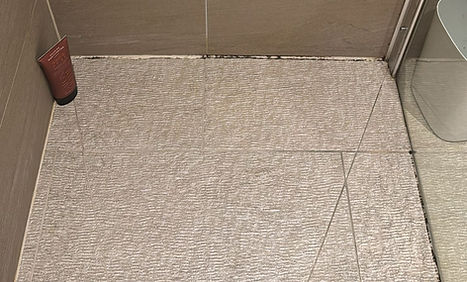
Patio joints washing out or cracking
If the joints between your patio slabs are crumbling, washing out, or have weeds growing through them, this is a sign that the pointing has failed and needs replacing. Left too long, failed joints lead to unstable slabs, drainage problems, and - eventually - a trip hazard.
Why patio joints fail
Water washing out the joint material
The most common cause, particularly with traditional dry-brush sand-cement pointing. Water works its way into the joint, gradually washing the finer material out. Repeated rainfall and run-off accelerates this, especially on patios that are slightly sloped toward the house.
Frost heave and freeze-thaw cycling
Water sitting in open or cracked joints freezes in winter, expanding and forcing the joint material further apart. Over successive winters, this can widen a hairline crack into a significant gap. Patios on elevated, exposed properties - common across the Yorkshire Dales fringe - suffer most from this.
Ground movement beneath the slabs
If the sub-base (the compacted aggregate layer beneath the slabs) settles unevenly, slabs shift. This movement puts stress on the pointing and causes cracking that begins in the joint but can affect the slabs themselves. Ground movement is also caused by tree roots, drainage issues, or poor original compaction.
Poor original pointing
Some patios were pointed with a mix that was too weak, too dry, or was surface-applied rather than pressed into the joint properly. These joints have a short lifespan regardless of conditions.
What happens if you leave it
Slabs become unstable. Once joints are fully open, slabs have nothing holding them at their edges and begin to rock or shift. What was a stable surface becomes a potential trip hazard.
Weeds establish in the joints. Weed roots are extremely effective at widening cracks and dislodging pointing material. Once established, they're harder to remove than new joint material is to apply.
Water pools. Without joints providing controlled drainage, water begins to pond on the surface or direct toward the house rather than dispersing correctly.
Surface damage accelerates. Water beneath slabs on a saturated sub-base, combined with frost, causes progressive damage to both the bedding layer and the slab edges.
Different materials for patio repointing
Traditional sand-cement mortar
The most common material for patio pointing. Done correctly - with a proper mix, pressed into prepared joints, and allowed to cure - it is durable and cost-effective. It can crack under significant movement but is straightforward to repair or replace if it does.
A common failure mode is application that is too surface-shallow, or a mix that is too dry. Correctly executed, sand-cement pointing should last 10 to 20 years on a stable base.
Resin-based jointing compounds
Increasingly popular for block paving and natural stone patios. Resin compounds cure to a flexible, semi-rigid joint that resists weed growth, washing out, and some frost movement. They are more durable than sand-cement in most conditions and carry a longer effective lifespan.
Pros: Better weed resistance, reduced wash-out, longer lifespan, more flexible under movement.
Cons: Higher material cost, more sensitive to application conditions (temperature and surface moisture), not suitable for all paving types, and not repairable in sections - the affected area must be fully redone.
We'll recommend the right material based on your patio type, exposure, and the condition of the existing base.
When it's more than just the joints
If slabs are visibly rocking, sitting at different heights, or if there are signs of significant sub-base movement, the issue goes beyond joint failure. Surface repointing on an unstable base won't hold. In these cases the affected area may need lifting, the sub-base restoring, and then relaying and repointing. We assess the base condition before recommending a repair approach - surface topping on an unstable sub-base is a waste of money.
What a proper patio joint repair involves
-
All failed and loose joint material is raked out fully. Topping up over existing failed material is not an option - it won't bond and won't last.
-
Joint faces and slab edges are cleaned of debris, moss, and old material.
-
New mortar or resin compound is pressed firmly into the joint to the correct depth and profile.
-
Excess material is cleaned from slab faces before it sets.
-
Joints are allowed to cure - foot traffic should be avoided for at least 24 hours with cement-based materials, and longer with resin.
Timing matters
Patio repointing is best done in spring or summer when temperatures are reliably above 5°C and rain is less likely during the curing period. Cold and frost during curing will damage fresh mortar. Resin compounds are particularly sensitive to temperature and moisture at application.
If joints have failed and winter is approaching, getting the work done before the first hard frosts will prevent further joint damage over the cold months. Planning ahead and getting the work completed in autumn before temperatures drop is always better than dealing with the consequences of another winter on open joints.
See our patio repointing and repair service for more detail on the work we carry out.
Frequently asked questions
Q1. Do patio joints always need repointing, or can I leave gaps? Open patio joints are best addressed sooner rather than later. Gaps allow weeds to establish - roots widen cracks and lift slabs - and let water accumulate beneath the paving, undermining the bedding and causing further settlement. In Yorkshire's climate, water in open joints also freezes and expands in winter, accelerating damage. Small gaps in otherwise sound paving can be repointed cleanly; if joints are open across a large area and slabs are rocking, repointing is overdue. Q2. What is the difference between repointing and relaying a patio? Repointing replaces the jointing material between slabs while leaving the slabs in their existing positions. It is the right solution when the slabs are sound and bedded solidly but the joints have failed. Relaying involves lifting slabs and re-setting them, which is necessary when the bedding has failed, levels have dropped significantly, or slabs are rocking and unstable. Northern Seal & Joint will advise honestly at the inspection stage whether repointing alone is sufficient or whether any slabs need resetting first. Q3. What is the difference between sand-and-cement and resin pointing for patios? Traditional sand-and-cement pointing is cost-effective, durable and suitable for most residential patios. Resin-bound jointing compounds are more flexible, highly weed-resistant and better at accommodating slight movement - they tend to be more expensive but are increasingly popular for block paving and premium slab work. The right choice depends on the paving type, joint width and anticipated movement. Northern Seal & Joint can advise on the most appropriate product for your specific patio and usage. Q4. How long does patio pointing last? Good-quality sand-and-cement pointing on a well-bedded patio should last 10–15 years in normal residential use. Resin pointing typically lasts longer - often 15–20 years - and is more resistant to weed growth. Lifespan is affected by tree root activity, heavy foot or vehicle traffic, quality of the original bedding, and whether the correct mix strength was used. Northern Seal & Joint uses appropriate materials for the substrate and conditions rather than a one-size-fits-all approach. Q5. What is the best time of year to have patio pointing done? Dry, mild weather - typically spring through early autumn - is best for patio repointing. The bedding mortar or pointing compound needs adequate time to cure before frost, and rain on freshly applied jointing material can wash it out before it sets. In Yorkshire, late spring and summer jobs allow the best curing conditions. Northern Seal & Joint schedules work to align with suitable weather, and will advise on any restrictions depending on the product being used. Q6. How much does patio repointing typically cost? Costs depend on the area to be pointed, joint width, paving type, and the product used. Sand-and-cement pointing is generally the most affordable option. Resin pointing carries a higher material cost. As a guide, most standard residential patio jobs in Yorkshire are priced after a site visit so that the full scope - including any slabs that need resetting - is covered accurately. Northern Seal & Joint provides written quotes so you know the complete cost before work starts.
Recent local work -